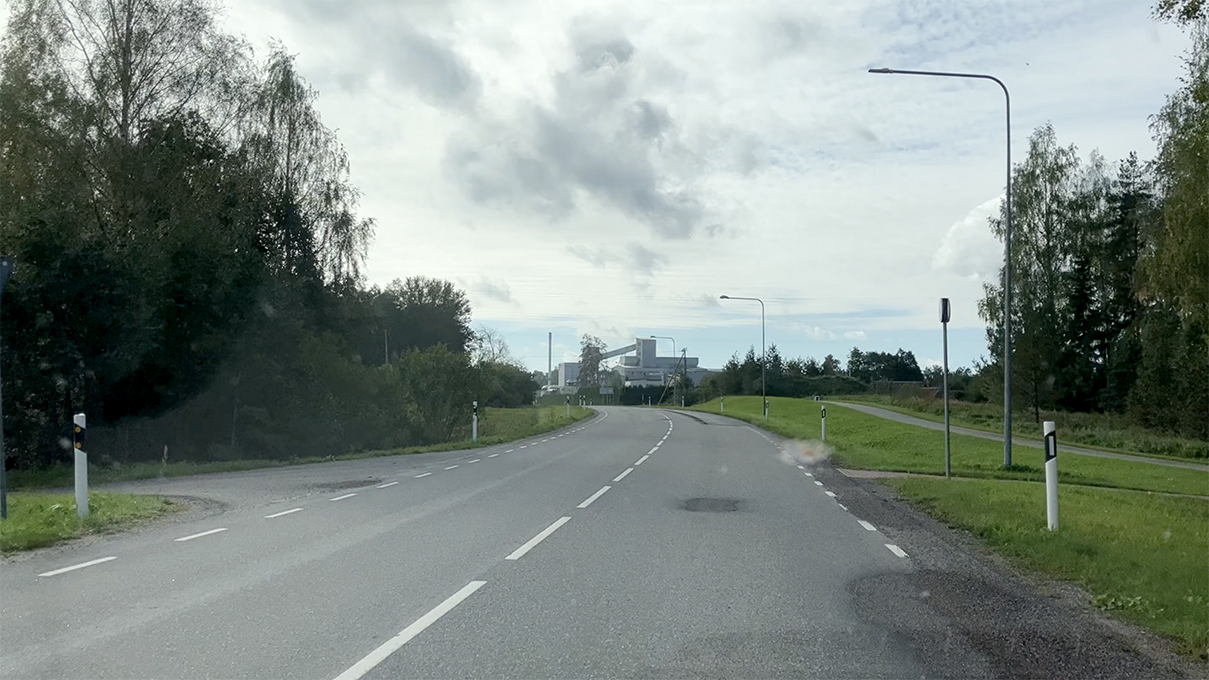
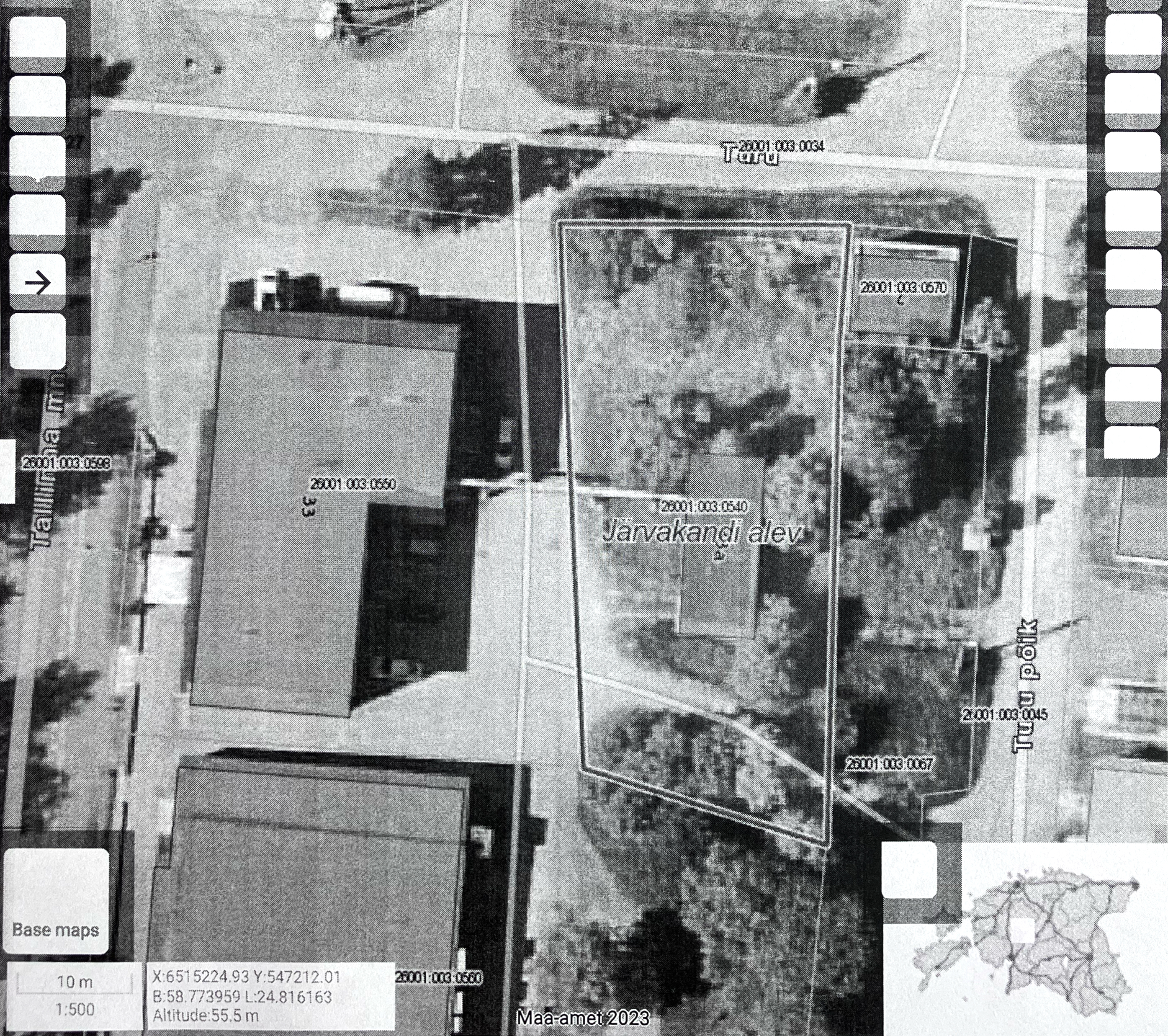
The plot of land in the centre of Järvakandi, at Tallinna mnt 33a, has a particular provenance. The land was restituted in the early 2000's to the surviving member of a local cooperative, exiled during the period of Soviet annexation.
A conversation with the owner began a process of considering how a sculpture park might be constructed on the land and how its form might reflect upon the particularities of its geo-political context: on the eve of the country’s accession to the European Union, a decoupling from eastern European markets and transition from a centrally planned economy to a free-market. In western Europe a substantial shift towards a more ‘liberal’ economy had been taking place since the early 1980’s yet the transformation process in the Baltic countries, two decades later, was surgent and dominated from the outset by a neoliberal economic paradigm. As Estonia was about to join the Union, a queue of international companies were vying to enter new markets in an expanding Europe.
Directors of global corporations from five distinct sectors of commerce were consulted on the prospect of creating a sculpture park. The sectors and companies were: energy (Schlumberger Oil), retail (Starbucks UK), telecommunications (Sonera-Telia), finance (Daimler Chrysler) and marketing (J. Walter Thompson).
I asked each of the executives for their personal view on their understanding of loyalty, how this might be expressed in a radical manner, and how their ideas might take sculptural form. Consequent to these conversations, and commissioned through a number of institutional exhibitions, a body of work was progressively produced including drawings, paintings, photographs and maquettes to visualise the directors' proposed sculptures for the park.
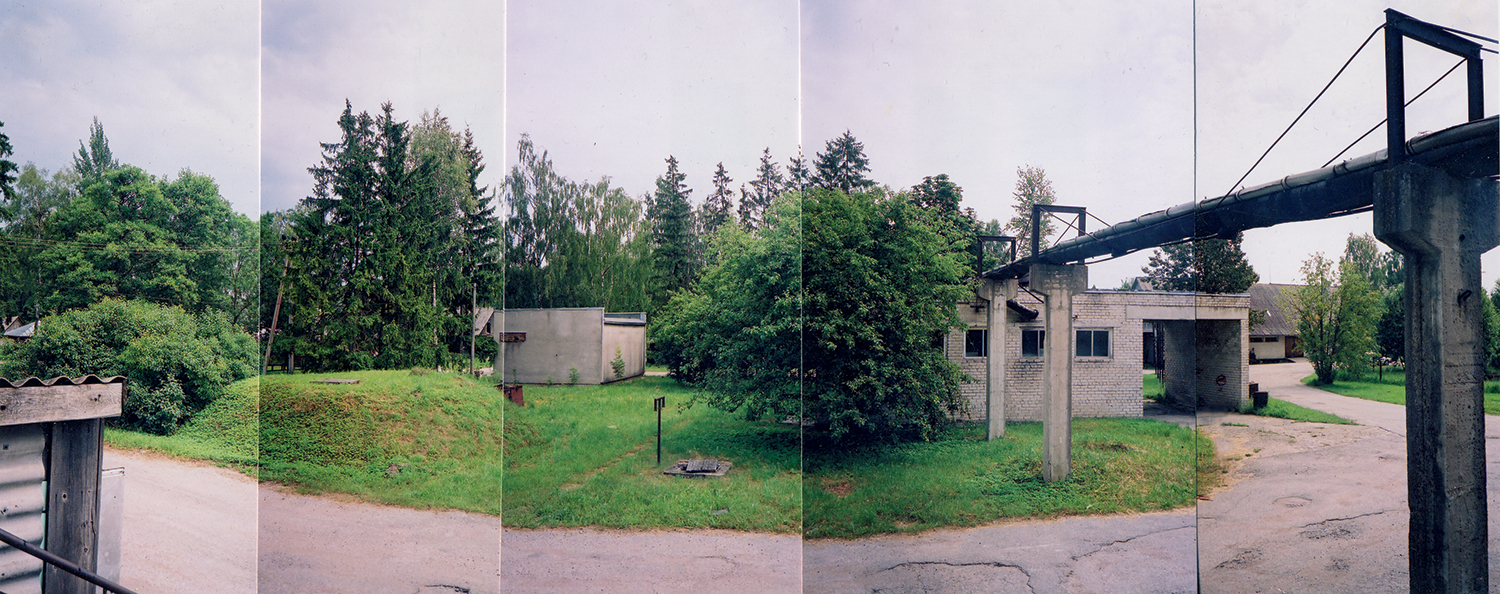
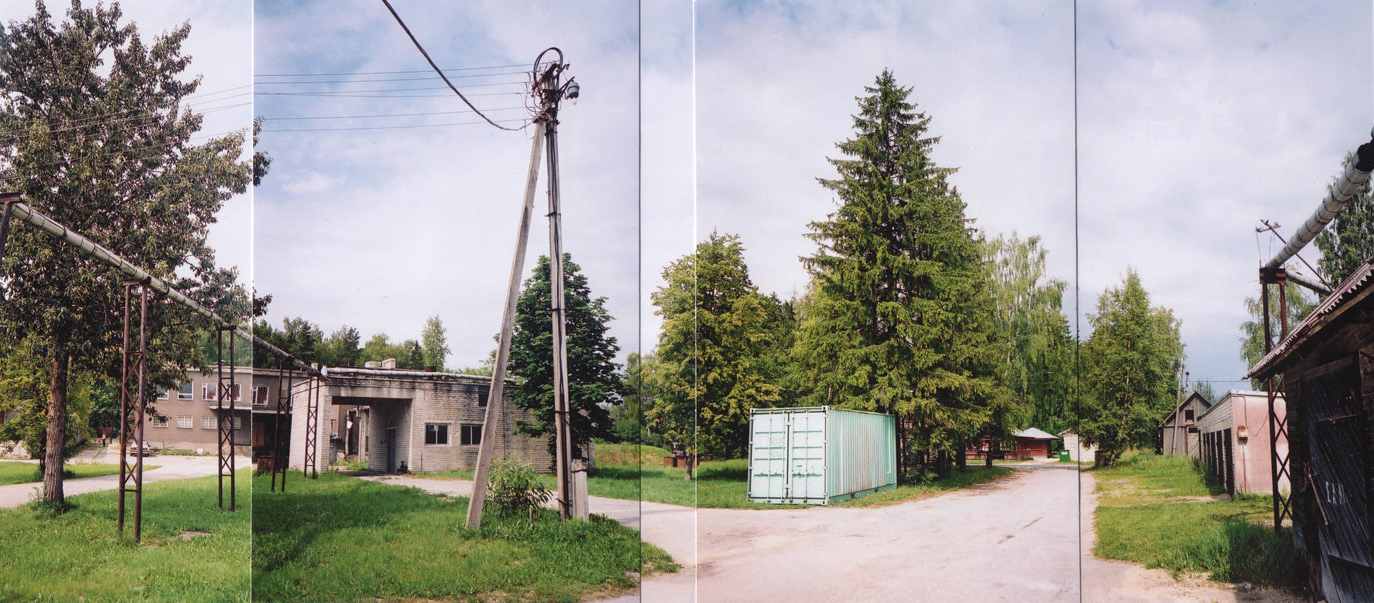
Site photographs, 2003: Tallinna mnt 33a, Järvakandi, Kehtna municipality, Rapla county, 79101